Chapters 31 and 32 of Angel by Jason Calacanis served as a thoughtful conclusion to a powerful and practical guide on angel investing. These final chapters shifted from tactics and decisions to something more personal and reflective: finding your identity as an investor and understanding where the journey might ultimately lead. As someone still at the beginning of my entrepreneurial path, these chapters gave me a lot to think about in terms of alignment, sustainability, and legacy.
Chapter 31 really encouraged me to think about what kind of investor I could potentially become. Calacanis makes it clear that there’s no one-size-fits-all approach to angel investing. Some people thrive leading deals, others prefer syndicates, and some find their rhythm in mentoring or focusing on a particular industry. This made me pause and consider my own strengths—my passion for working with youth, my interest in education and social impact, and my value for building meaningful relationships. I don’t have to mimic the Silicon Valley model to be successful; I can lean into my unique perspective and values to shape my own groove as an investor.
In Chapter 32, Calacanis asks a question many people overlook: what’s the long-term vision for your investment journey? This chapter made me think not just about starting, but about sustaining. It’s easy to get caught up in the excitement of launching a business or making your first investment, but what happens ten or twenty years down the line? Will I pivot to a fund? Transition into mentorship or nonprofit work? I don’t have the answers yet, but I appreciated being invited to reflect on it now—before burnout or misalignment creeps in.
These chapters reminded me that success isn’t just about financial returns—it’s about fulfillment and purpose. They reinforced that it’s okay for my entrepreneurial identity to evolve, and that part of the journey is staying grounded in who I am and what I care about. I’m not just building businesses—I’m building a life. And I want that life to reflect faith, service, and impact, no matter what role I’m in.
Chapters 28 through 30 of Angel by Jason Calacanis offered a dose of reality that I believe every entrepreneur and future investor needs to hear. These chapters focus on the harder, less glamorous side of angel investing—the emotional turbulence, difficult decisions, and long wait for returns. As someone preparing to launch my own ventures and maybe one day even step into the role of investor, this section reminded me that perseverance, emotional intelligence, and long-term thinking are just as critical as financial capital.
In Chapter 28, Calacanis shares how the excitement of the first year can quickly give way to tough decisions. Startups that once looked promising now need more money, and it’s up to you to decide if you’ll bridge the gap or step away. This made me reflect on how hard it can be to let go of something you believed in—especially when people are involved. I appreciated Calacanis’s honesty about the emotional toll, but also his clarity: not every startup is meant to survive, and it’s not unkind to make strategic choices. That’s leadership.
Chapter 29 really spoke to the emotional endurance this space demands. Calacanis encourages readers to maintain balance and perspective, even in the face of setbacks. That resonated with me personally, not just as a businesswoman, but as someone navigating life’s uncertainties with faith. I’ve learned that failure isn’t final and that every disappointment carries a lesson. It was encouraging to read that angel investing isn’t about getting everything right—it’s about staying in the game and noti letting losses shake your confidence or values.
Chapter 30 reframed how I think about success. I used to associate startup success with big money moments, but this chapter helped me understand that most great outcomes happen through acquisition. Calacanis emphasizes the importance of knowing from day one how your startup might be valuable to others down the road. That’s a perspective I want to adopt in my own ventures—thinking not just about how to build something amazing, but how it might fit into a broader system and provide value beyond my vision.
These chapters were a necessary reminder that angel investing—and entrepreneurship—isn’t always easy or linear. But if you can manage the ups and downs, stay emotionally grounded, and think strategically about long-term outcomes, the journey can be absolutely worth it.
Chapters 25 through 27 of Angel by Jason Calacanis provided a powerful reminder that angel investing isn’t just about picking the right startup—it’s about what you do after you say “yes.” These chapters really emphasized the importance of execution, relationship-building, and consistent communication. As an aspiring founder, I found these lessons both practical and thought-provoking.
Chapter 25 outlines the exact steps an investor should take after deciding to invest. From securing legal documents and pro rata rights to wiring funds and scheduling follow-up check-ins, this chapter reminded me of how important it is to be organized and intentional. I liked how Calacanis encourages investors to act professionally and with care—not just for the sake of documentation, but to show the founder that they’re serious about the relationship. As someone who’s working to build trust with others in business, I know how far that kind of thoughtful follow-through can go. It’s not just the money—it’s the effort and consistency that matter.
In Chapter 26, Calacanis flips the perspective and speaks directly to founders. He encourages transparency and mutual respect, reminding founders that angels take on real risk—often before anyone else believes in them. That really resonated with me. I want to be the kind of founder who respects that early faith and doesn’t go quiet when things get hard. The idea that angels should be treated as true partners—not just bank accounts—really aligns with how I view meaningful business relationships.
Chapter 27 drove home the point that consistent communication is everything. I’ve always believed in the value of strong communication, but this chapter made it clear that regular updates aren’t optional—they’re essential. Calacanis explains that silence breeds uncertainty, while a short, structured update can reinforce trust, give investors the chance to help, and create long-term alignment. As someone who values connection and clarity, I see how this discipline could be a game changer—not just for keeping investors informed, but for staying accountable as a founder.
These chapters reminded me that the best investment relationships are built on professionalism, honesty, and consistency. It’s not just about getting the money—it’s about maintaining the trust, energy, and transparency needed to grow something great together.
Chapters 21 through 24 of Angel by Jason Calacanis sharpened my understanding of what it truly means to invest with discipline and integrity. These chapters moved away from the emotional and instinctual side of angel investing and leaned into the processes and practices that protect both the investor and founder. As someone who’s an aspiring entrepreneur and potential investor, I found these chapters incredibly grounding.
Chapter 21 highlights the importance of timing, pro rata rights, and understanding valuations. What stuck with me most was the reminder that just because a startup has potential doesn’t mean it’s the right time to invest. Learning to evaluate traction and weigh the risk against the timing of the deal is a skill I want to continue developing. The emphasis on securing pro rata rights also opened my eyes to how easily investors can lose their position in future rounds. I hadn’t realized how strategic those early terms really are.
Chapter 22 discusses the value of writing deal memos. I loved this part because I already journal and reflect in other areas of my life, so applying that same mindset to investing made perfect sense. Calacanis makes it clear that deal memos aren’t just about documentation—they help you be honest with yourself and your reasoning. This reminded me that clarity of thought is just as important as confidence. I want to be someone who doesn’t just follow a gut feeling but can articulate why a decision makes sense.
In Chapter 23, Calacanis talks about the art of saying “no.” I really appreciated this one. Whether you’re an investor, a founder, or just someone navigating relationships, how you decline an opportunity matters. I’ve learned in my own journey that clear and respectful communication goes a long way. Saying “not yet” instead of ghosting or overpromising shows maturity and keeps the door open for future opportunities.
Chapter 24 introduced the due diligence checklist, which was practical and eye-opening. As an entrepreneur, it reminded me of how important transparency and documentation are. If I want someone to invest in my business, I need to be organized, honest, and ready to back up my claims. On the flip side, in the role of an investor, I see the importance of doing my homework. Diligence is protection, not paranoia.
Altogether, these chapters reminded me that angel investing is both a people game and a precision game. It’s about heart and strategy—being thoughtful, careful, and honest on both sides of the deal.
Chapters 18 through 20 of Angel by Jason Calacanis were some of the most insightful for me as an entrepreneur. These chapters really dig into the importance of discernment, intentional listening, and being able to tell the difference between a passionate founder and a persuasive fraud. I appreciated how these chapters shifted the focus from flashy ideas to what really matters: the people behind them.
Chapter 18 introduced four foundational questions to ask every founder: Why this business? How committed are you? What are your chances of succeeding? What does winning look like? These questions seem simple, but they’re incredibly revealing. As someone who’s building a mission-driven business, I reflect on how I’d answer these myself—and how important it is that I can communicate those answers clearly. This chapter confirms that the “why” behind a venture is just as important as the product or service. Investors want to know you’re not just chasing a trend, but that you’re deeply committed to solving a real problem.
In Chapter 19, Calacanis goes deeper—literally. He emphasizes the importance of asking thoughtful, sometimes personal questions that reveal more about a founder’s character and background. I really connected with this because I believe in building genuine relationships, not just transactional ones. Understanding where someone comes from—what their parents did, how they think about money, what keeps them up at night—can tell you more about their potential than any pitch deck ever could. It made me think about the ways I can better show up in those conversations with authenticity and vulnerability, both as a founder and as a future investor.
Chapter 20 struck a cautionary tone: “Founder or Fraud?” Calacanis dives into the fine line between vision and exaggeration. It’s not always about intentional deceit—sometimes founders believe their own hype without having the data or plan to back it up. That really hit home for me. As someone who’s hopeful and optimistic by nature, I have to remember that good intentions don’t always equal good business. This chapter made me think about how I want to stay grounded in truth and transparency, even when I’m dreaming big. It also gave me a deeper respect for the investors who do their due diligence and ask the hard questions.
Together, these chapters emphasized that the heart of angel investing isn’t just in spotting big hits—it’s in understanding people. And that’s something I want to carry with me as a founder.
Chapters 14 through 17 of Angel by Jason Calacanis offered practical and powerful insights that go far beyond theory—they walk you through the mindset and behavior of an intentional, sharp angel investor. These chapters emphasized not only how to prepare for pitch meetings, but more importantly, how to evaluate people. As an entrepreneur, these chapters pushed me to think more deeply about how I show up in rooms, how I evaluate opportunities, and how I prepare others to see the value in what I’m building.
In Chapter 14, Calacanis shares some of his best and worst pitch meeting experiences, which helped normalize the process of learning through both success and failure. It’s not just about knowing what to look for—sometimes it’s about knowing what to avoid. The takeaway for me was that volume matters. Seeing a wide range of pitches builds instinct and discernment, and I realized this applies to me as a founder too: the more people I talk to about my business, the better I become at communicating my value clearly and concisely.
Chapter 15 stressed the importance of preparation. Calacanis recommends spending three hours per startup before a pitch, which includes product research, market understanding, and investor background. That level of dedication resonated with me. Whether I’m on the receiving end of an investment pitch or presenting my own vision, preparation is a form of respect—respect for the opportunity, the other person’s time, and the potential impact of the partnership.
Chapter 16 highlighted the importance of presence during pitch meetings. I appreciated how Calacanis talks about putting the phone away, being engaged, and letting the founder lead. It reminded me of how powerful undivided attention can be—something that can make or break trust in those critical first interactions. It also challenged me to be fully present in all meetings, not just as a professional habit but as a way to cultivate deeper relationships.
Chapter 17 was perhaps the most impactful for me: “You don’t pick billion-dollar companies—you pick billion-dollar founders.” That statement stuck with me. As someone who hopes to one day receive investments, it encouraged me to continue developing myself, not just my business model. Investors want vision, resilience, leadership. Those traits matter just as much, if not more, than the idea itself.
These chapters reminded me that angel investing—and entrepreneurship—is not just about metrics and numbers, but about people, preparation, presence, and potential. And that’s a space I want to grow in.
Chapters 11 through 13 of Angel by Jason Calacanis gave me a clearer sense of how someone like me—still building financial strength but deeply committed to learning—can get more involved in the world of angel investing. These chapters aren’t just about writing big checks; they’re about mindset, movement, and making strategic connections.
In Chapter 11, Calacanis breaks down the concept of angel syndicates. This was eye-opening for me. I had always assumed investing required massive capital, but syndicates—group investments led by experienced angels—give newer investors a chance to participate by pooling smaller amounts of money. Syndicates are structured through SPVs (special purpose vehicles), and while there’s a “carry” fee involved (usually 20–50% of profits), you’re essentially gaining access to vetted deals and expert leadership. This chapter shifted my mindset. I don’t have to wait until I have six figures to start building investment experience—I can start small, with intention and strategic alignment.
Chapter 12 laid out an aggressive but doable roadmap for beginners: participate in ten deals right away and use each one as a learning opportunity. Calacanis emphasizes writing deal memos, reflecting on each decision, and adding value to startups through introductions or your own skillset. As someone building my own ventures, I’ve often been on the side of seeking investors. But this chapter made me think—what if I started learning to think like an investor now? Even if I’m not writing checks yet, I can begin evaluating ideas, studying pitch decks, and mentally tracking deal flow. It’s training for a future I would like to step fully into.
Chapter 13 dreinforces the power of proximity. Calacanis encourages new angels to meet 25 founders and 12 angels within a month. That energy really resonated with me. Even as an entrepreneur, this tactic applies—being in constant conversation with other founders and experienced mentors not only fuels inspiration, but also opens up collaborative possibilities. I also appreciated his reminder to be organized with contacts and intentional about follow-ups. In this world, value moves through relationships.
Overall, these chapters helped better clarify angel investing and expanded my perspective on how accessible it can actually be when approached strategically. I don’t need to wait until I “have it all together” financially. I can begin now—by staying curious, building relationships, and putting myself in rooms where people are already doing the work I aspire to do.
Chapters 8 through 10 of Angel by Jason Calacanis gave me a refreshing and powerful shift in perspective as an aspiring entrepreneur. While the book is primarily about angel investing, these chapters stood out because they emphasized that success in the startup world isn’t solely about having money—it’s about recognizing and leveraging value in all its forms.
In Chapter 8, Calacanis presents practical strategies for those who may not have a large amount of capital but still want to become angel investors. He introduces the concept of investing time, expertise, and connections through advisory roles, syndicates, and networking. This spoke directly to me. As someone who is building my own business, this chapter helped me realize that I shouldn’t only be fixated on raising funds. There is immense power in attracting individuals who understand my vision and are willing to invest their time and knowledge to help bring it to life. Their advice and experience can be just as crucial—if not more so—than a check.
Calacanis also goes in-depth about the cap table and the five kinds of people typically listed on it: founders, employees, advisors, angels, and venture capitalists (VCs). He explains that companies don’t exist without the founder, who starts off owning 100% of the company and usually does the most work over the life of the business. Employees come next in terms of time invested, though their lives aren’t fully tied up in the business the way a founder’s is. Employees usually receive equity through an option pool—options give them the right to buy shares in the future at a lower “strike price,” aligning their motivation with the company’s success. These options typically vest over four years. Advisors, or as Calacanis calls them “the broke angels,” trade their time, skills, and connections for shares in the company. Then come angel investors, who don’t commit their entire lives to one startup but step in early to support founders and help guide them toward professional investors. Lastly, VCs enter once the company has removed a lot of early risk, helping it mature from adolescence to adulthood.
Chapter 9 dives deeper into the role of an advisor. Calacanis shares how his involvement with Dyn led to a $600,000 return—not through investing money, but by offering his expertise. It was a reminder that knowing your value and building your skills can place you in rooms where money isn’t the only currency. As I continue growing as an entrepreneur, I want to surround myself with people who can guide and elevate me—not just financially, but strategically.
Then in Chapter 10, Calacanis reflects on how he wishes he’d started investing right out of college. He encourages young people to challenge the conventional career path and start making bold moves early. While I believe in being wise and discerning, this chapter ignited my interest in learning more about investing now—not later. I don’t have to wait until I’m “established.” I can begin by observing, asking questions, and staying close to the action.
One quote that stuck with me was at the end of Chapter 10: “You can make your own luck in this life by putting yourself next to the people who are already winning.” While I personally believe in the blessings and favor of God rather than luck, I align with the core idea—surrounding yourself with people you aspire to learn from is key. Not to compete with them, but to be inspired, mentored, and equipped.
These chapters not only expanded my definition of investing but also reminded me of the importance of proximity, purpose, and preparation. I’m walking away more open to the idea of angel investing—and more intentional about building the right relationships along the way.
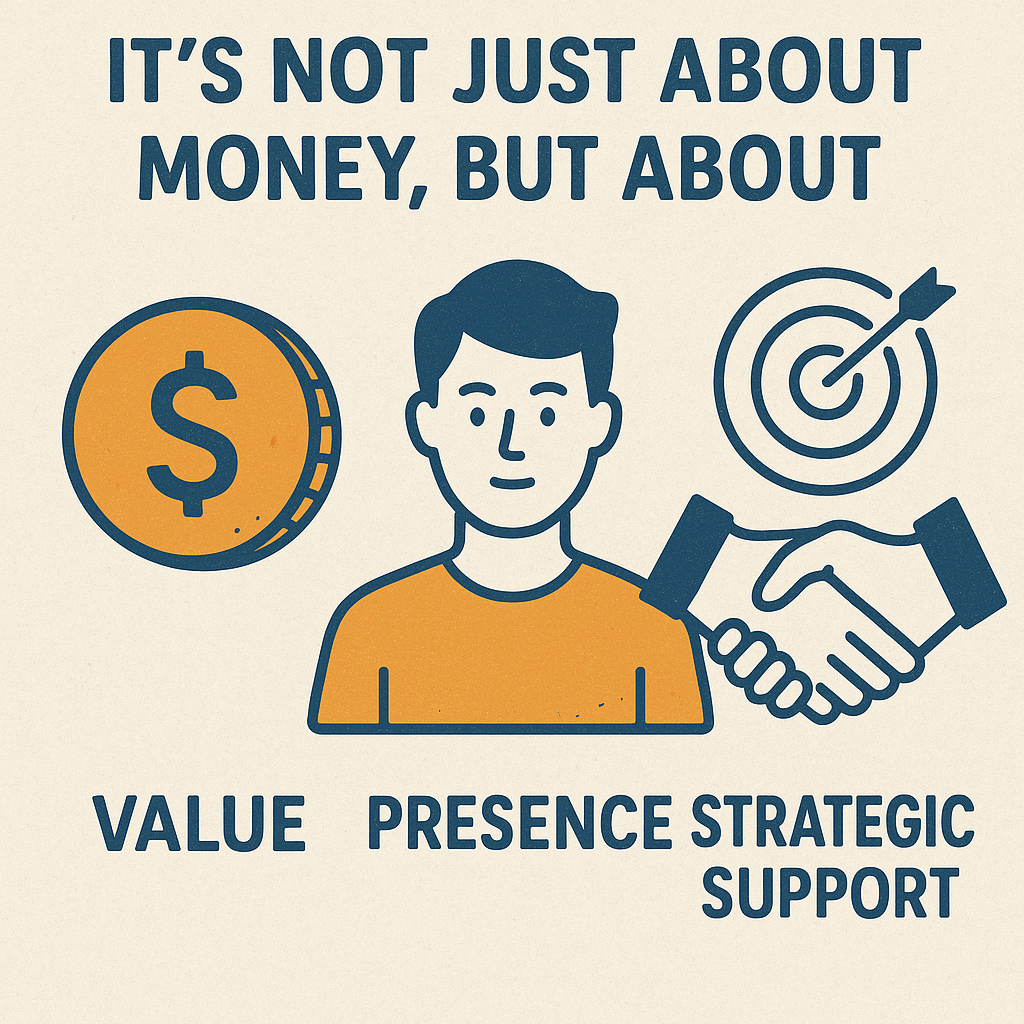
Chapters 4 through 7 of ANGEL by Jason Calacanis continued to inspire and challenge me as an aspiring entrepreneur. In Chapter 4, “Is Angel Investing for You?” the author breaks down what it really takes to be a successful angel investor—money, time, network, and expertise. While you don’t have to have all four, the most effective angels have a combination of them. He says the best angels can (1) write a check, (2) jam out with founders over important issues, (3) provide meaningful introductions to customers and investors, and (4) offer advice that saves founders time, money, and mistakes. This made me think more about how it’s not just about money, but about value, presence, and strategic support.
He also talks about dealing with a wide range of personalities—some brilliant and calculating, others delusional and difficult. And you have to be okay with that. If you’re not comfortable listening to people go on and on about how they’re going to change the world—even if it sounds outlandish at first—then angel investing probably isn’t for you. He talks about “wild cards”—founders who might come off as delusional, narcissistic, or overconfident in the beginning, but who later turn out to be visionaries.That stood out to me because it made me reflect on how people may perceive early entrepreneurs like myself. I often wonder if that’s how people see me now—as a “baby entrepreneur”. I have these big dreams of creating real solutions for real problems in my community and beyond, but since nothing’s launched yet, I sometimes wonder if others see me as a “wild card” or even a little delusional. But like Jason said, those same people are later called “visionaries” once they make it. So I’m holding on to that. I might be seen as overly optimistic now, but I know what I’m building has value—and when it all comes together, the narrative will change.
In Chapter 5, “Do You Need to Be in Silicon Valley to Be a Great Angel Investor?” the answer was simply “yes,” and that simplicity made a bold point. Then Chapter 6, “What’s So Special About Silicon Valley?” builds on that by painting the Bay Area as the center of innovation—not just for startups, but for media, transportation, health, advertising, and more. He says, “The Bay Area is the center of the world—it’s not even up for discussion.” When I read that, it hit me just how influential that small part of Northern California really is. 30% of all venture capital money in the U.S. flows into the Bay Area—more than Boston, New York, and Los Angeles combined. That’s kind of crazy to think about. It definitely shows the power of putting yourself in the right environment. The author talks about how some not-so-smart people got rich quickly in the Bay, while many intelligent people struggled in other cities.
That made me think a lot. I’ve always wanted to travel and explore opportunities beyond North Carolina. Reading this felt like confirmation that, as someone interested in tech and app development, I need to expand my reach and network—especially if I want to eventually connect with angel investors who can help me grow. Location really can impact your access to resources and exposure. That said, I also believe in the power of starting small and growing sustainably. Even if I’m not in Silicon Valley yet, I can still make a major impact here in Greensboro, North Carolina.
I want my app to be something that creates real change locally before I expand globally. It’s about sustainability just as much as scalability. Yes, I want to build something that one day reaches people all around the world, but if I can help even just one person here in my community, that’s already a success in my eyes. The author said he’d rather see a founder fail at a big goal than succeed at a small one. But to me, it depends on what “small” means. Making a difference in even one life is big. My goal is to serve my community well and build something meaningful first—then scale when the time is right.
Finally, Chapter 7, “Startup Funding Rounds Explained,” lays out the different types of startup funding: sweat equity, bootstrapping, friends and family, incubators, angel/seed funding, bridge rounds, and then Series A through F. One point he emphasized is how investors want to see that you’ve already invested in yourself. That means time, effort, passion, and yes, your own money. They want to know that you’re serious about your business and that you’re not just good at asking for money. They also want to see that you’re not disconnected from your product or your customers. That made me reflect on how I’m approaching my own venture. I’m currently developing a demo of my app and working hard behind the scenes to gather data, refine my ideas, and stay connected to my “why.” I want to be capital-efficient and intentional. I don’t want to take advantage of friends and family either—I want to show that I’ve done the work, that I’m prepared, and that I know where I’m going. Before anyone else invests in me, I want them to see how much I’ve already invested in myself.
These chapters reminded me that while success in the startup world may seem far away at times, the right mindset, consistency, and faith will carry me there. I’m learning to be the one who believes first, so that others will eventually follow. And with that belief, comes action—strategic, focused, and persistent action that will make my vision real.
Take a look at this article:
“Financing the Next Silicon Valley” by Darian M. Ibrahim. Published in the 2010 Washington University Law Review.
The article explores why efforts to replicate Silicon Valley’s high-tech success often falter in other regions. The author argues that a significant barrier is the lack of local financing for startups, which prompts talented entrepreneurs to relocate to established tech hubs like Silicon Valley.
The article compares three primary sources of entrepreneurial finance:
Private Venture Capital: While influential, it’s typically concentrated in established tech regions.
State-Sponsored Venture Capital: Government-led initiatives often face challenges in effectively identifying and nurturing high-potential startups.
Angel Investor Groups: Ibrahim highlights these as particularly advantageous for non-tech regions. Angel groups not only provide capital but also mentorship and networking opportunities, making them well-suited to support local innovation.
Furthermore, the article examines how securities laws might impede the optimal functioning of angel groups, suggesting that regulatory reforms could enhance their effectiveness in fostering regional entrepreneurial ecosystems.
In essence, the author advocates for strengthening local angel investment networks and addressing legal barriers to create fertile grounds for innovation outside traditional tech centers.
The first three chapters of ANGEL by Jason Calacanis were insightful and motivating—especially for someone like me, a budding entrepreneur just beginning to develop her ideas and build a foundation for the future. In Chapter One, “Someone Else Was Supposed to Write This Book,” Calacanis introduces the book by placing his story and knowledge in the larger context of the American dream, the changing job market, and the urgency of escaping the “matrix.” He explains that the world is shifting, and we need to be ready for the changes ahead. What I really appreciated was how he framed this book as a way to teach readers not only how to survive the changes that are bound to come, but how to ride them out on top. That mindset alone is empowering. He made it clear—if he could do it, then I can too, with hard work and proper knowledge. That lit a fire in me, and from the start, I felt encouraged and hungry to learn more.
In Chapter Two, “The Brooklyn Grinder,” Calacanis breaks down the idea of risk in investing and entrepreneurship. He asks, “Is angel investing gambling?” and follows with stories that show how angel investing is really about taking informed risks, betting on people and ideas before they’re fully proven. He talks about his journey in the Sequoia Scout Program and taking a chance that ultimately paid off. His words—“No gamble, no future”—stood out to me. In life, and especially in entrepreneurship, it’s about taking risks and sometimes getting uncomfortable to eventually get comfortable. He also shares how he used to dream about the life he has now and how angel investing changed everything for him. What I found really impactful was the Yoda quote he used: “Pass on what you have learned.” That’s exactly what he’s doing in this book—giving us the knowledge, tools, and mindset to follow a similar path. He wraps the chapter by speaking to “real outsiders,” acknowledging his own privilege as a white male born in New York City and recognizing the systemic challenges faced by marginalized groups in America. That hit home for me. As an African American woman, I often feel like an outsider in spaces like business and investing. But he wrote this book to be a playbook for people like me, to help level the playing field—even if he doesn’t have all the answers. That moment of honesty and empathy made me respect him even more.
Chapter Three, “What is Angel Investing?” helped me better understand the basics of angel investing and what makes angel investors different. They’re the ones who come in early, when a founder is still figuring things out—still searching for product-market fit and probably hasn’t made a single dollar yet. But they take a chance because they see potential. A true “angel” is someone who believes in you and what you’re doing, even if there are no tangible results yet. That’s the kind of support every entrepreneur needs at least once in their life. Reading this made me reflect on where I am right now. I’m still developing my ideas, gathering data, and trying to get things off the ground. But this chapter reminded me that before anyone else sees the vision, I have to. I need to be the one who sees all the ways my business can go right. I need to be my biggest fan, because when people see how much I believe in it and invest in it, they’ll want to believe too.
The “no risk, no reward” theme carried through this chapter as well. The author even shared how he invested in Uber early, before it was obvious whether the company could scale or even make money. But he believed in the founder and personally loved the product. That reminded me that angel investing is not just about the business, but about the person behind the business. That’s encouraging because I want to be someone who others see as worth betting on—not just because of my idea, but because of who I am and what I bring to the table.
Lastly, Calacanis touches on the difference between angel investing and “boring,” safe investing like low-fee index funds. He explains that the life of an angel investor—and also an entrepreneur—can change dramatically if you’re willing to “suspend fear, squint a little, and focus not just on what could go wrong, but what could go right.” That stuck with me. Yes, it’s important to prepare and plan, but it’s even more important to focus on the solution you’re creating and the impact it could make. That’s what I want to hold on to as I continue building my business ideas.
These first three chapters reminded me that I have what it takes. They pushed me to dream bigger, believe more, and act boldly. This book is not just teaching me about angel investing—it’s reminding me that the future belongs to those who are willing to bet on themselves and take the first step.
I even came across a platform called Angel Investment Network, which allows entrepreneurs to pitch ideas and connect with potential investors. I hope sharing this resource can be helpful to someone else who might relate to my journey or is looking for new ways to gain traction and visibility.









 EmpowerMe Life