
Digital advertising has transformed the way brands connect with audiences—instantly, interactively, and across every screen. From social media campaigns to banner ads and video content, the best digital ads do more than just sell—they spark engagement, build trust, and often go viral. In this post, we’ll break down standout digital ad campaigns, exploring what makes them effective, how they capture attention in a crowded online space, and the creative strategies behind their success. Let’s dive into the fast-paced world of digital marketing and discover the innovation behind today’s most compelling online ads.
- “Hair Hair Everywhere” – Leo Burnett Toronto 2024 (https://winners.webbyawards.com/2024/advertising-media-pr/advertising-campaigns/digital-campaign/281633/hair-hair-everywhere)
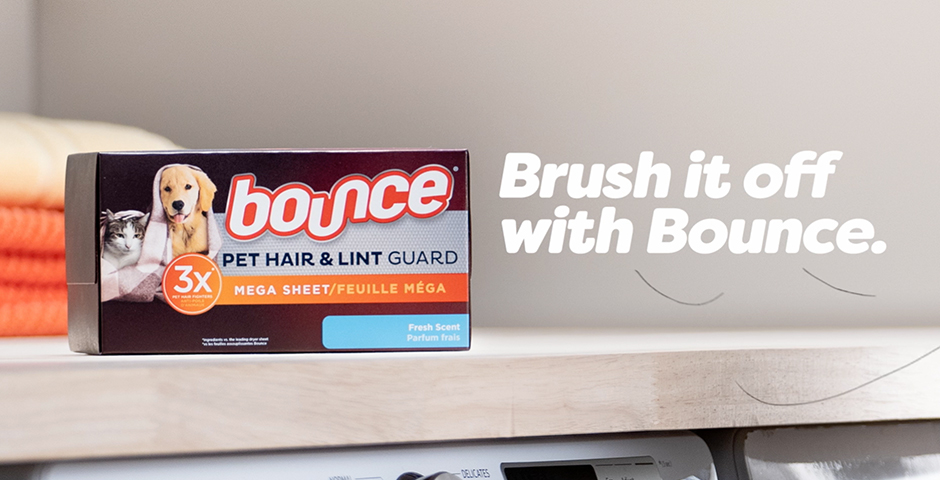
Description: This digital campaign by Bounce focuses on a comedic yet relatable issue and it directly engages viewers by placing realistic-looking strands of hair on the screen. The ad simulates the annoying real-life experience of finding stray hair on your clothes or furniture—except this time, it’s digitally placed on your screen, making viewers instinctively try to brush it off, only to realize it’s part of the ad. This prank-style format uses humor, surprise, and a touch of annoyance to effectively demonstrate the problem that Bounce solves: hair and lint that cling to clothes due to static. This digital campaign was executed, using a combination of video, social media content, and targeted online ads to highlight the power of Bounce dryer sheets in combating static cling and keeping clothes (and screens) hair-free.
Objective: This digital campaign’s main objective was to highlight the functional benefit of Bounce dryer sheets—specifically their ability to repel hair, lint, and static cling—in a way that breaks through the clutter of traditional digital ads. Rather than a conventional digital ad, this team created a memorable, shareable experience that people would talk about. It aimed to boost brand recall, product relevance, and engagement, especially in digital spaces where attention spans are short. The creative ad cleverly guides consumers to consider Bounce as their go-to solution.
Target Market: This digital ad is clearly aimed at tech-savvy millennials and Gen Z consumers, particularly those active on social media or viewing content online. It also targets pet owners and style-conscious individuals who value keeping their clothes clean and hair-free. By showing up directly in users’ digital spaces—where they’re most active—the campaign meets the audience where they are, and taps into shared frustrations around cleanliness and presentation.
Call to Action: This digital ad creates naturally leads users to reflect on their own experiences with hair on a screen or clothes and think: “What can I use to stop this?” The implicit call to action is: use Bounce dryer sheets to keep your screens and clothes free of clingy hair. The brand solves the exact discomfort the ad makes you feel—tying the problem and solution together in a single, interactive moment.
Value Proposition: Bounce promises a simple, highly effective solution to the annoyance of hair everywhere. The product offers static control, freshness, and visible cleanliness, making it essential for anyone who cares about appearance or wants to reduce laundry-day frustrations. What sets this digital ad apart is how it transforms a functional feature into a visceral experience. Bounce doesn’t just say it helps remove hair—it makes you feel the problem and immediately connect the dots to their solution.
2. “Run On Heinz” – The Kitchen North America 2024 (https://winners.webbyawards.com/2024/advertising-media-pr/advertising-campaigns/digital-campaign/289238/run-on-heinz)
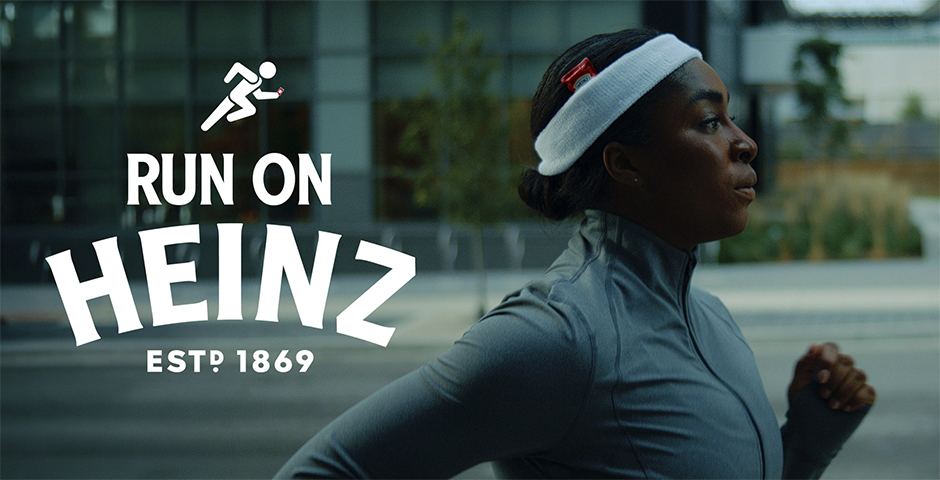
Description: This digital ad features a woman jogging down a street. But what catches the viewer’s attention is the unusual red ketchup packet tucked into her white sweatband—a humorous and unexpected twist. Accompanying the image are the bold words “Run on Heinz”, styled like a sports slogan. Above it, an icon of a runner holding a ketchup packet mimics traditional sports logos, while the classic “EST. 1869” nods to the brand’s legacy. The visual juxtaposition of fitness and food—specifically ketchup—creates an ironic and memorable impression. This ad blends athletic culture with Heinz’s iconic identity, suggesting that just like athletes run on energy or fuel, this runner “runs on Heinz.”
Objective: This digital campaign aims to create a playful brand association by placing Heinz ketchup into spaces where it traditionally wouldn’t be expected—like fitness culture. Instead of advertising to consumers in the typical context of food or dining, Heinz reaches out through the lens of athleticism and lifestyle branding, aiming to keep the brand top of mind in more dynamic and modern ways. The goal is to show Heinz as not just a condiment, but part of everyday routine and energy.
Target Market: This digital ad is geared toward a younger, active demographic who appreciate humor, irony, and clever branding. It likely targets health-conscious individuals who might not typically think of ketchup as aligning with fitness culture. By placing Heinz in this context, the brand is aiming to rebrand itself as universally relevant—not just for your typical burgers and fries, but as a quirky symbol of personal identity and motivation.
Call to Action: The slogan “Run on Heinz” invites viewers to rethink how Heinz could be a fun part of their everyday hustle. It encourages viewers to associate Heinz with energy, determination, and even individuality. The simplicity and strangeness of the ketchup packet in the woman’s headband makes the ad linger in viewers’ minds, potentially leading them to seek out more about the campaign or brand online.
Value Proposition: Heinz delivers more than just taste—it’s part of a lifestyle. This digital ad emphasizes that Heinz can be your fuel—even in moments where it doesn’t traditionally belong like during runs. The ad’s real value lies in brand differentiation and cultural relevance. It suggests that Heinz isn’t just something you eat—it’s something you “run on”.
3. “Steak-umm Beef Sheets” – Tombras 2023 (https://winners.webbyawards.com/2023/advertising-media-pr/advertising-campaigns/digital-campaign/250165/steakumm-beef-sheets)
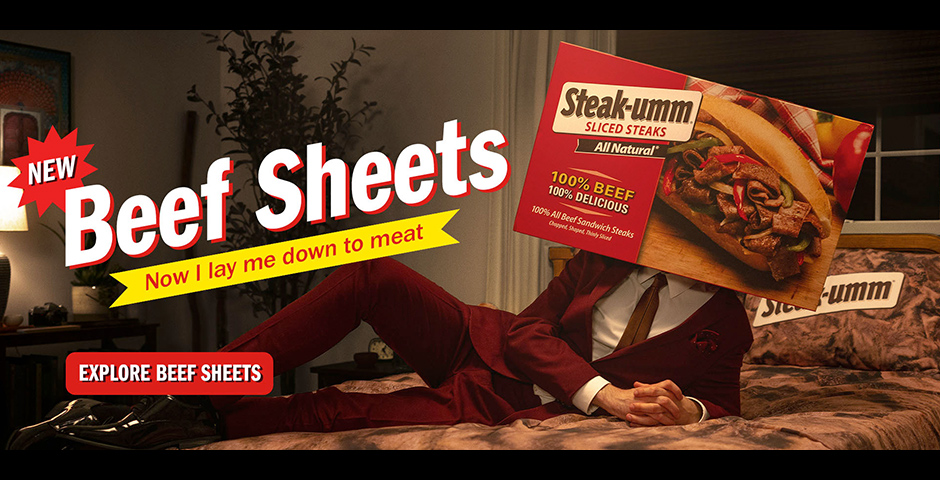
Description: This digital ad campaign by Steak-umm is an absurd, humorous, and intentionally bizarre play on both food and bedtime comfort. This ad shows a person laying in bed with a Steak-umm sliced steaks box as a head, lying atop custom-branded bedsheets featuring the Steak-umm logo, with bold text announcing “New Beef Sheets” and a tagline that reads: “Now I lay me down to meat.” The tone is ridiculous in the best way—using deliberate absurdity, puns, and irony to draw in curious viewers who thrive on memes and weird humor like this. It’s a campaign built to be shared and talked about online.
Objective: This digital campaign’s goal was to generate massive brand awareness through digital virality, not to actually sell beef-themed bedding. Steak-umm has long positioned itself as a brand that leans into internet culture, and this ad follows that tradition. “Beef Sheets” was designed to get attention, spark conversation, and spread across platforms for its weirdness and entertainment value. It succeeds by turning a fake product into a vehicle for content marketing, giving people a reason to engage with Steak-umm even if they aren’t buying it at the moment.
Target Market: This digital ad is clearly aimed at younger internet users—primarily Millennials and Gen Z—who appreciate ironic humor, meme culture, and unexpected content from known brands. It also appeals to niche online communities that love different content, parody ads, and surreal humor like this. Essentially, this is not for the traditional shopper—it’s for the tech-savvy users who would see it and find interest.
Call to Action: This digital ad encourages curiosity and interaction. The real action Steak-umm wants you to take is to laugh, share, and associate their brand with a uniquely weird sense of humor. The more people engage with or talk about the campaign, the more Steak-umm will draw in more customers to buy their sliced steaks.
Value Proposition: While Steak-umm is ultimately a food company, the Beef Sheets campaign reinforces its cultural value: Steak-umm isn’t just about frozen beef—it’s about being part of the internet in a fresh, funny way. The brand offers a memorable experience, whether you’re eating it or engaging with its digital content. Steak-umm positions itself as not only tasty but combines classic comfort food with over-the-top satire.
4. “SurveyMonkey Gives the People What They Want” – PMG 2023 (https://winners.webbyawards.com/2023/advertising-media-pr/advertising-campaigns/digital-campaign/249903/surveymonkey-gives-the-people-what-they-want)
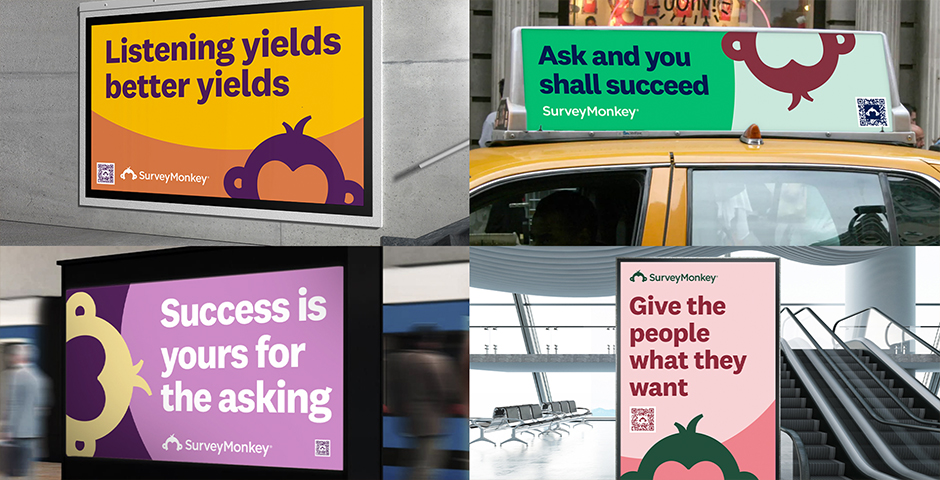
Description: This digital campaign from SurveyMonkey blends bold design and clever wordplay to emphasize the value of asking questions and listening to drive better outcomes. The visuals show a consistent brand identity across various media: billboards, taxi tops, transit ads, and airport displays. Each ad pairs simple, colorful backgrounds with snappy, benefit-driven taglines. The layout prominently features SurveyMonkey’s playful monkey-tail logo and QR codes, creating a lighthearted but strategic visual identity.
Objective: The main goal of this campaign was to reposition SurveyMonkey as more than just a simple survey tool. The campaign aimed to establish it as a powerful business intelligence platform that helps organizations listen, understand, and take informed action based on feedback. By connecting the act of “asking” to tangible results like “success” and “better yields,” it reframes surveys as drivers of strategy, not just data collectors.
Target Market: This digital campaign speaks to business professionals, decision-makers, organizations, and more. The language and placements also make it accessible to a broader public who may not realize how much SurveyMonkey can impact business success. It appeals to people who believe in data-driven insights but want tools that feel approachable and easy to use.
Call to Action: Each ad includes a QR code, inviting people to learn more by scanning. The underlying call to action is to encourage people to use SurveyMonkey to unlock insight and drive success. The phrasing—like “Give the people what they want”—is both a call to action and a brand promise. It encourages businesses to ask questions, listen well, and act wisely, and it positions SurveyMonkey as the best platform to make that happen.
Value Proposition: SurveyMonkey is offering more than surveys—it’s offering insight, clarity, and business impact. The campaign’s message is that when you ask the right questions and genuinely listen to feedback, you don’t just learn—you succeed. The relatable language and bold visual branding communicate that SurveyMonkey helps businesses thrive by turning voices into value. It’s user-friendly, effective, and adaptable across industries.
5. “Samsung iTest – Test drive a Samsung on your iPhone” – Tribal/DDB New Zealand 2022 (https://winners.webbyawards.com/2022/advertising-media-pr/advertising-campaigns/digital-campaign/219977/samsung-itest–test-drive-a-samsung-on-your-iphone)
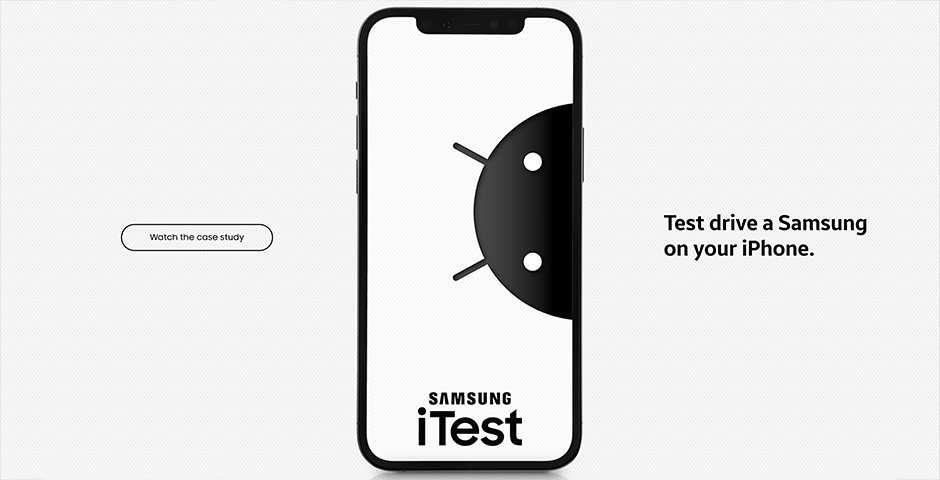
Description: This digital campaign is of a Samsung iTest that invites iPhone users to try out a Galaxy device experience directly on their iPhone. The campaign delivers a fully interactive web-based simulator that mimics the Samsung Galaxy UI—complete with mock apps, settings, messages, and a humorous tone that pokes fun at the Apple/Samsung rivalry. Rather than boast features in a commercial, Samsung hands over the interface and lets people explore. It’s bold, unexpected, and deeply engaging.
Objective: The main objective of this digital ad is to reduce iPhone users’ resistance to switching to Android by letting them test drive a Samsung experience risk-free —no downloads, no devices, no pressure. The goal is to spark curiosity and plant the idea of switching, especially among hesitant Apple users who’ve never used a Samsung device.
Target Market: The digital campaign targets iPhone users, particularly those who are curious, tech-savvy, and open-minded, but hesitant to switch phones. It appeals to younger audiences, including Gen Z and millennials, who value hands-on experience and playful innovation. By making the experience accessible and easy to explore, it lowers the barrier to entry for potential switchers who have never used Android but may be curious about Samsung.
Call to Action: It’s a soft, interactive call to action that doesn’t push a sale, but instead encourages experimentation. Samsung opens the door for organic reconsideration, which is more powerful than direct persuasion in this case. No pressure—just explore, enjoy, and get a feel for Samsung.
Value Proposition: Samsung positions itself as the more flexible, user-friendly, and playful alternative to Apple. The value here isn’t just about features—it’s about accessibility, confidence, and choice. The iTest campaign reframes Samsung as approachable and innovative, winning users not with pressure, but with clever, immersive engagement.
Great digital ads do more than reach a screen—they reach people. Through creativity, data-driven strategy, and emotional relevance, these campaigns show how digital platforms can be used to tell powerful stories and drive meaningful action. By analyzing these award-winning examples, we gain insight into what it takes to stand out in the ever-evolving digital landscape. Whether you’re a content creator, marketer, or just someone who scrolls with intention, these ads remind us of the power of connection in a digital world. Keep following EmpowerMe Life for more insights on media, marketing, and the life skills that make us all better communicators—and tell us, what’s the most impactful digital ad you’ve seen lately?

 EmpowerMe Life
Aamiya,
Hair hair everywhere is the truth in my home! I have a dog and two cats. I love way you connected the “hair” on the screen to the thought of people looking at it trying to brush it off the screen, with the problem of hair as the problem Bounce is going to solve with their product. I agree with the target market being pet-owners who value keeping their clothes clean. It is so frustrating with thinking you have a shirt completely lint rolled, only to walk outside and see it differently in the sunlight, looking as if you never even attempted to lint roll it……I agree that Bounce has an advantage (value proposition) in that it helps solves the customers’ problems of frustration and static and offers freshness and cleanliness, too!
LikeLike
Hey Jenny!
Thank you so much for your comment! I can only imagine the hair situation with two cats and a dog—Bounce was definitely speaking to all pet owners in that ad! I’m so glad you connected with the idea of the hair on the screen—it’s such a clever, almost interactive visual that really makes the message stick (no pun intended lol!). And yes, that moment when you think you’re lint-free and step into the sunlight… it’s the worst! I totally agree—Bounce taps into that everyday frustration in a way that’s relatable and solution-oriented. Thanks again for engaging and sharing your thoughts!
LikeLike