
Television advertising combines visual media and storytelling to create impactful, lasting impressions on audiences. The best TV ads do more than promote a product—they entertain, inspire, and connect with viewers on an emotional level. In this blog, we’ll analyze standout TV commercials, breaking down the creative strategies, visual storytelling techniques, and marketing strategies that make them so effective. Let’s dive into the world of television advertising and uncover what makes these campaigns unforgettable!
- “Dream Crazy” – Wieden + Kennedy 2019 (https://aef.com/ad-campaigns/dream-crazy/)
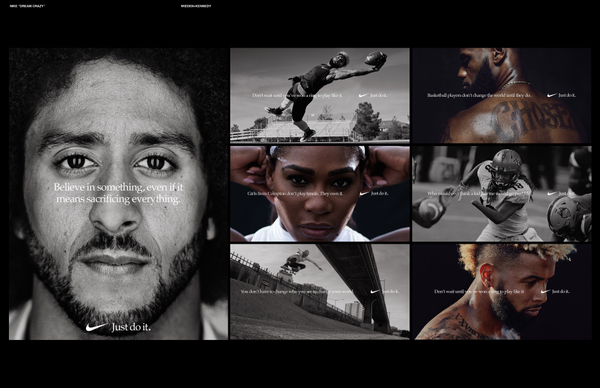
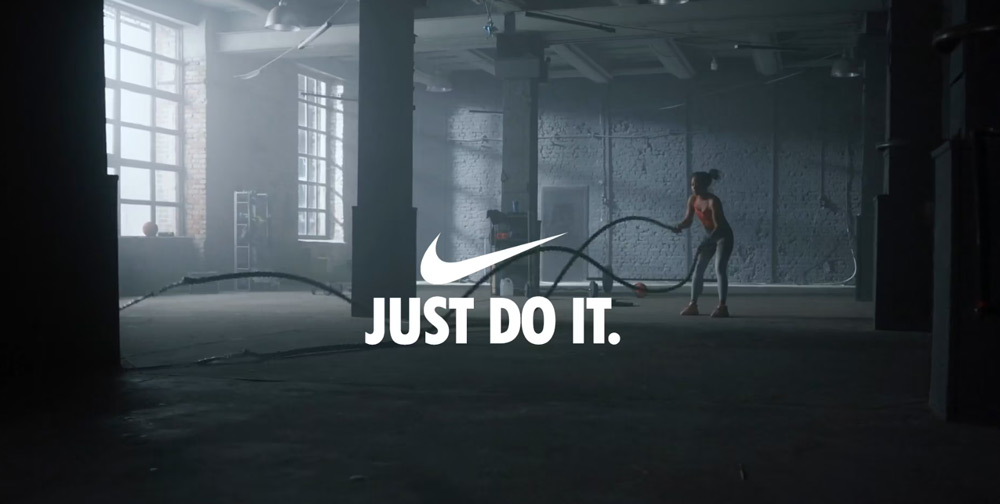
Description: This TV ad features various athletes, both renowned and emerging, who have worked hard and overcome significant challenges to achieve greatness. Notable athletes include Serena Williams, LeBron James, and Colin Kaepernick, who also serves as the ad’s narrator. This ad’s central message is captured in Kaepernick’s words: “Don’t ask if your dreams are crazy, ask if they’re crazy enough.” This TV ad incorporates emotional storytelling and powerful imagery to inspire viewers to pursue their dreams relentlessly, even if they’re “crazy”.
Objective: The main objective of this ad is to inspire people to dream big and work tirelessly toward their goals, regardless of how “crazy” they may seem to others. Nike encourages viewers to embrace ambition, push past doubts, and redefine what is possible. While the campaign also strengthened Nike’s brand identity and sparked conversations around social justice (particularly with Colin Kaepernick’s involvement), the core focus is motivation and perseverance—challenging individuals to believe in their dreams without fear.
Target Market: This TV ad primarily targets younger demographics, such as young athletes striving to overcome obstacles in sports and life and millennials and Gen Z, who resonate with brands that promote empowerment, activism, and bold aspirations. Additionally, it targets sports fans, fitness enthusiasts, and your average individual who admires elite athletes and Nike’s brand because they stand for something beyond just their products.
Call to Action: While this ad does not specifically urge viewers to purchase Nike products, it implicitly encourages them to align with Nike’s values by supporting the brand. The underlying message is that by choosing Nike, consumers are endorsing a company that stands for social justice and empowers individuals to work hard and pursue their wildest dreams.
Value Proposition: This Nike campaign’s value proposition is all about empowerment. Nike is a brand that doesn’t just sell sportswear, but promotes perseverance, confidence, and success. Moreover, Nike positions itself as a top supporter of athletes and individuals who work hard and dream big. Nike’s “Just Do It” slogan shows up at the end of this ad, and it reinforces that success is about believing in yourself, daring to dream beyond expectations, and just taking action.
2. “First Shave” – Grey Canada and MMK 2019 (https://aef.com/ad-campaigns/first-shave/)

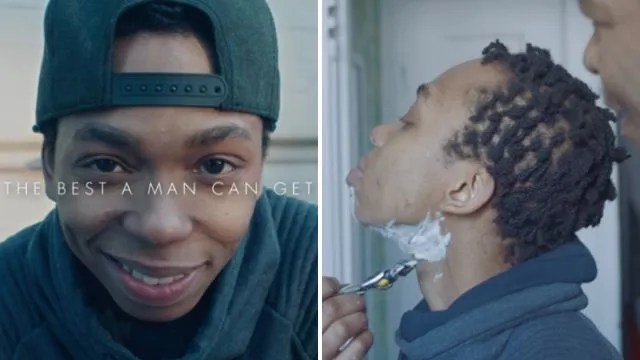
Description: This TV ad features Samson, a transgender man from Toronto, experiencing his first shave with guidance from his father. This ad captures the intimate and universal rite of passage of a father teaching his son to shave. It emphasizes themes of support, acceptance, and personal growth. Samson reflects on his journey, stating, “I always knew I was different. I didn’t know that there was a term for the type of person that I was.” The ad ends with the message, “Whenever, wherever, however it happens—your first shave is special.” The emotional appeal is enhanced by showcasing Samson’s real-life, authentic story.
Objective: The main objective of this Gillette campaign is to promote inclusivity and support for the transgender community by showcasing a significant milestone in a transgender man’s life. It also aligns with Gillette’s broader campaign to redefine traditional notions of masculinity. By highlighting Samson’s personal story, Gillette aims to broaden its appeal to a more inclusive audience.
Target Market: This TV ad targets a diverse audience that values inclusivity, acceptance, and liberal representations of masculinity. It appeals to individuals across various demographics who appreciate brands taking a stand on social issues and supporting underrepresented communities.
Call to Action: This ad encourages viewers to support Gillette’s brand which promotes inclusivity and authenticity. By showcasing Samson’s heartfelt story, Gillette invites consumers to align themselves with the brand’s values and consider their products as part of their personal grooming journeys and milestones.
Value Proposition: Gillette positions itself as a brand that not only provides high-quality shaving products but also stands for liberal values and social justice. By featuring different personal stories like Samson’s, this brand emphasizes its commitment to supporting all individuals in their personal grooming experiences. They reinforce the message that everyone deserves to be supported and have access to a comfortable shaving experience.
3. “Changing the Game” – McCann New York 2019 (https://aef.com/ad-campaigns/changing-the-game/)
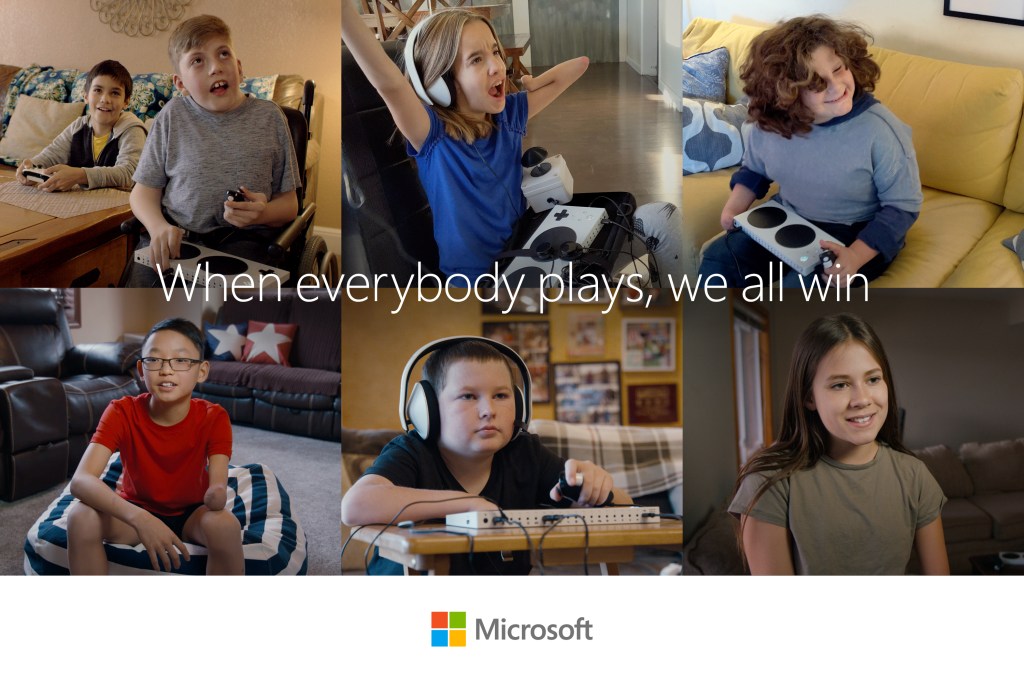
Description: This TV ad showcases young gamers with disabilities who benefit from the new Xbox Adaptive Controller. This ad features real-life stories of children with physical disabilities like Owen, who, despite their challenges, can fully engage in gaming thanks to the controller’s accessible design. The ad is emotionally appealing by depicting the joy and empowerment these children experience, emphasizing the importance of accessibility, inclusivity, and the true power of technology to empower people.
Objective: The primary objective of this campaign is to raise awareness about the Xbox Adaptive Controller and Microsoft’s dedication to inclusive design. By highlighting the personal stories of gamers with disabilities, Microsoft aims to demonstrate how thoughtful innovation can remove barriers and create equal opportunities in gaming. The campaign seeks to position Microsoft as a leader in accessible technology and to foster a more inclusive gaming community.
Target Market: This ad targets a broad audience, including gamers with disabilities, families and friends of individuals with disabilities, tech enthusiasts, and the general gaming population. The ad demonstrates Microsoft’s commitment to innovative, inclusive design, while also directly addressing the needs of those with disabilities and showcasing solutions that enhance their gaming experience.
Call to Action: This ad does not specifically promote the purchase the Xbox Adaptive Controller, however it does encourage support for inclusive gaming initiatives. By showcasing the positive impact of the adaptive controller, Microsoft invites consumers to recognize the importance of accessibility in technology and to consider inclusive products in their purchasing decisions.
Value Proposition: Microsoft positions the Xbox Adaptive Controller as a groundbreaking solution that empowers gamers with disabilities by providing enhanced accessibility, inclusivity, and innovation.
4. “Answering the Call” – McCann New York 2019 (https://aef.com/ad-campaigns/answering-the-call/)

Description: This television ad is a heart-felt commercial that honors first responders and highlights the important role that Verizon’s network plays during emergencies. This ad showcases powerful real-life reunions between people who were rescued and the first responders who saved them, made possible through Verizon’s reliable communication network. The ad doesn’t focus on phone features, data plans, or technical details; instead, it centers on human connection, emphasizing how Verizon’s network helps save lives. The emotional appeal of the ad is rooted in themes of heroism, gratitude, and community. This ad’s use of genuine stories, heartfelt conversations, and touching visuals leaves a lasting impression on viewers.
Objective: The main objective of this campaign is to reinforce Verizon’s brand as the most reliable and trusted network, especially when it comes to situations where lives are on the line. The commercial aims to deepen customer loyalty and strengthen the emotional bond between Verizon and its customers. Rather than promoting a specific product or service, the campaign focuses on building brand trust and credibility by demonstrating that Verizon is the network people can rely on during serious moments. The objective is attainable and measurable through customer plan purchases and customer retention rates following the campaign.
Target Market: This ad targets a wide range of viewers, particularly existing and potential Verizon customers who value reliability, security, and peace of mind when it comes to wireless communication. It appeals to families, individuals, and communities who prioritize being connected during emergencies. The ad also resonates strongly with first responders and public safety workers, positioning Verizon as the network that supports their life-saving work. Additionally, the commercial aims to connect emotionally with the general public, who may not be first responders themselves but still understand the importance of dependable communication during difficult times.
Call to Action: This ad encourages viewers to trust Verizon as their network provider, even after various competitors have put the company down. The underlying message is that if first responders, whose work often involves life-or-death situations, rely on Verizon, then ordinary consumers can feel confident doing the same. This ad subtly suggests that by choosing Verizon, customers can have peace of mind, knowing they are connected by a network that has proven itself reliable in even the most critical situations.
Value Proposition: Verizon is positioned, not just as a phone service, but as a vital lifeline during emergencies. It offers customers the reassurance that, like first responders, they too can depend on Verizon when it matters most. Overall, this ad presents the phone company as one that helps people stay connected when it is needed most, elevating its service from a convenience to a necessity.
5. “webeefin?” – VMLY&R/Six Course, Inc., 2019 (https://aef.com/ad-campaigns/webeefin/)

Description: This TV ad by Wendy’s is like a continued celebration of the viral success of Wendy’s rap diss track “webeefin?”, which took social media and the internet by storm. In this ad, the rap track is playing in the background while a dynamic montage shows real tweets, YouTube reaction videos, and media headlines talking about how impressive and entertaining the Wendy’s rap was. Some posts even jokingly say it’s better than raps by professional and famous rappers, with shoutouts from well-known artists like T-Pain. The emotional appeal here is built on humor, cultural relevance, and the feeling of being up to date on a social media moment.
Objective: The main objective of this ad is to highlight the attention Wendy’s already gained with the original “webeefin?” rap. By showcasing the wide range of positive social media reactions and media coverage, Wendy’s aims to reinforce its brand image as fun, culturally relevant, and bold. The campaign works to further solidify Wendy’s position as a leader in fresh, never-frozen beef while also associating Wendy’s with creativity and social media savviness.
Target Market: This ad is clearly aimed at younger generations — specifically millennials and gen Z — who actively participate in internet trends, love viral content, and value brands that know how to play in the social media space. By including real tweets, YouTube reaction videos, and pop culture references, this ad speaks directly to those who would have seen or heard about the rap when it first went viral.
Call to Action: This campaign’s call to action is for viewers to continue engaging with Wendy’s both online and at the restaurant. This ad invites customers to see Wendy’s as a cooler, more relevant fast-food chain — not only because of its fresh beef but because of its catchy rap. Additionally, a secondary call to action seems to be more social with the goal of keeping the conversation alive on Twitter, YouTube, and other platforms.
Value Proposition: Wendy’s is positioned as providing fresh, never-frozen beef along with maintaining cultural credibility as the brand’s emotional appeal. By the fast food chain aligning itself with viral internet moments and even receiving praise from celebrities, Wendy’s positions itself as a brand worth paying attention to — not just for their food, but for entertainment and cultural connection.
Exceptional TV ads do more than showcase a product—they captivate, entertain, and leave a mark on viewers. By examining these award-winning commercials, we uncover the impact of visual storytelling, strategic messaging, and creative direction in advertising. Whether you’re a marketer, business owner, or simply a fan of innovative TV ads, these campaigns demonstrate how television can engage emotions and drive consumer behavior. Stay tuned for more insights on marketing, communication, and life skills here on EmpowerMe Life—and share with us, what’s the most unforgettable TV ad you’ve ever seen?


Hi Aamiya,
I enjoyed your analysis of the Microsoft, Verizon, and Gillette ads. These ads demonstrate how brands can align themselves with values that resonate deeply with their audience. It’s interesting to see how emotional storytelling plays such a strong role in both campaigns.
Microsoft’s “Changing the Game” ad is indeed a powerful example of inclusivity. By showcasing gamers with disabilities using the adaptive controller, it sends a heartfelt message about breaking barriers and creating a community where everyone can participate and thrive. It is inspiring to see technology used as a tool for empowerment, making gaming and the online community accessible to all. I love seeing ads like this because of a dear friend of ours who recently passed away due to complications from cerebral palsy. Despite being wheelchair bound, she was able to live independently in how own home until she passed at the age of 75, thanks to adaptive equipment like this controller. Even though she had uncontrollable jerking movements in her arms, she was able to write three poetry books and maintain a blog. Because her speech was broken, adaptive equipment also gave her a voice by allowing her to share her thoughts and creativity with the world. Seeing ads like this reinforces just how life-changing adaptive technology can be.
Verizon’s “Answering the Call” ad is also aptly timed and captures very well the importance of reliability during critical moments. By focusing on first responders and their heroic efforts, Verizon emphasizes its role in keeping families connected during emergencies. The emotional storytelling makes the message unforgettable and reinforces the idea that dependable communication can be a lifeline. When Hurricane Helene caused power outages and infrastructure damage that left many stranded, reliable cell service became essential for emergency response and reconnecting loved ones. Ads like this remind us of the critical role technology plays in disaster preparedness and recovery.
Do you think Verizon’s messaging would be more impactful in the aftermath of a natural disaster or emergency when people have recently experienced communication challenges, or do you think ads like this encourage customers to be more proactive about choosing reliable service before an emergency happens?
LikeLike
Hey Samantha!
I’m so glad you enjoyed my analysis! It’s truly amazing to see how powerful emotional storytelling can be in these advertisements.
I really appreciate you sharing your friend’s journey. That is incredible, and it’s inspiring to think about how people recognized a problem and became the solution by developing adaptive technology that has literally changed lives. Your friend’s achievements, despite her disability and physical limitations, are truly remarkable. Thank you for sharing her experience with adaptive technology and connecting it to the ad—it adds even more depth to my analysis and provides a meaningful perspective. Rest in peace to your wonderful friend, Samantha.
To answer your question, I think it really depends on the listener and their life experiences. I do believe the ad would be more impactful in the aftermath of a disaster, simply because people would see it as a true necessity and understand firsthand why reliable communication is so important. However, for those who haven’t experienced a crisis like that, they might not see it as a priority or could have the mindset of, “It won’t happen to me”—until it does. So while these ads do encourage customers to be more proactive, I think their message resonates most strongly in the aftermath of real-life situations. Honestly, that’s how a lot of things in life work.
LikeLike
Hi Aamiya,
I think the Microsoft ad is a great example of how marketing can be used to make a real difference. By sharing the personal stories of young gamers with disabilities, it highlights how technology can break down barriers and create meaningful connections. The emotional appeal is powerful and positions Microsoft as a leader in accessible, inclusive design. I appreciate that the ad isn’t focused on selling a product but instead encourages people to think about the importance of accessibility. It also broadens the conversation to include families, gamers, and anyone who values innovation. Do you think marketing campaigns like this are effective in shifting public perception around people with disabilities and the importance of inclusive design?
LikeLike
Hey Casey!
I completely agree—this ad is such a powerful example of how marketing can be used for more than just selling a product. It truly shows the importance and impact of adaptable technology, which can change lives for the better.
To answer your question, I do think campaigns like this are effective in shifting public perception around people with disabilities and the need for inclusive design. By sharing real stories and showing how adaptive technology changes lives, it encourages people to see disabilities through a lens of capability rather than limitation. It also challenges companies to be more intentional about inclusivity in their own products and services. When brands take the lead in normalizing accessibility, it pushes society as a whole to prioritize it more.
LikeLike